


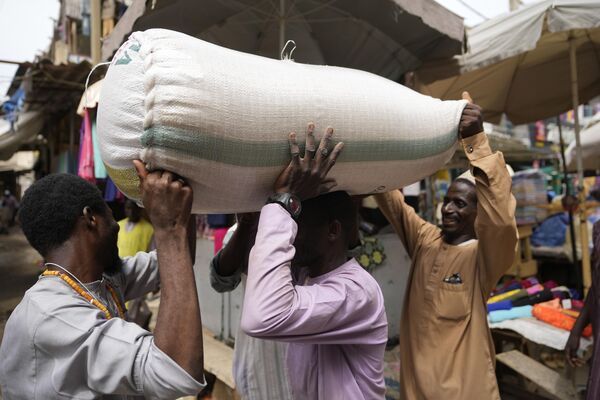
A recent report from the World Bank has revealed a sobering perspective on global poverty, indicating that it could take over 100 years to lift half of the world’s population out of extreme poverty. The document highlights that an alarming 44% of the global population lives on less than $6.85 per day, which is classified as the poverty line for upper-middle-income countries. Despite efforts to address poverty, the number of individuals living below this threshold has seen minimal change since 1990, largely due to population growth.
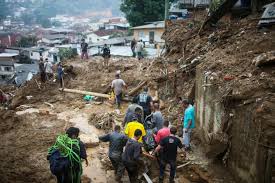
The report underscores the urgent need for a renewed focus on poverty alleviation, as it asserts that nearly one in five people worldwide is likely to encounter a severe weather shock during their lifetime. These shocks, often exacerbated by climate change, can leave individuals and communities struggling to recover. The vulnerability of populations in Sub-Saharan Africa is particularly concerning, with many exposed to extreme weather events facing significant welfare losses.
The World Bank’s findings highlight a stark reality for those living in the region. As climate change continues to pose serious challenges, the potential for extreme weather events increases, exacerbating existing inequalities and pushing vulnerable communities further into poverty. The high dependence on agriculture and natural resources in Sub-Saharan Africa means that shifts in climate patterns can directly impact food security and economic stability, making the need for sustainable development strategies more urgent than ever.
Amid these challenges, there are glimmers of hope. The African Development Bank’s African Economic Outlook has projected that 41 African countries, representing 72% of the continent, are expected to experience higher growth rates in 2024 compared to the previous year. This positive trend indicates potential for economic development and poverty reduction in the coming years. However, the World Bank report cautions that without significant interventions and strategic investments, the gains may not be sufficient to tackle the overarching issue of poverty.
To effectively address the complexities of poverty, a multifaceted approach is essential. This includes not only economic growth but also investments in education, healthcare, and infrastructure. Empowering communities through access to quality education and skills training can help build resilience against economic shocks and improve overall living standards. Additionally, targeted social safety nets can support the most vulnerable populations during crises, ensuring that no one is left behind.








Leave a comment