
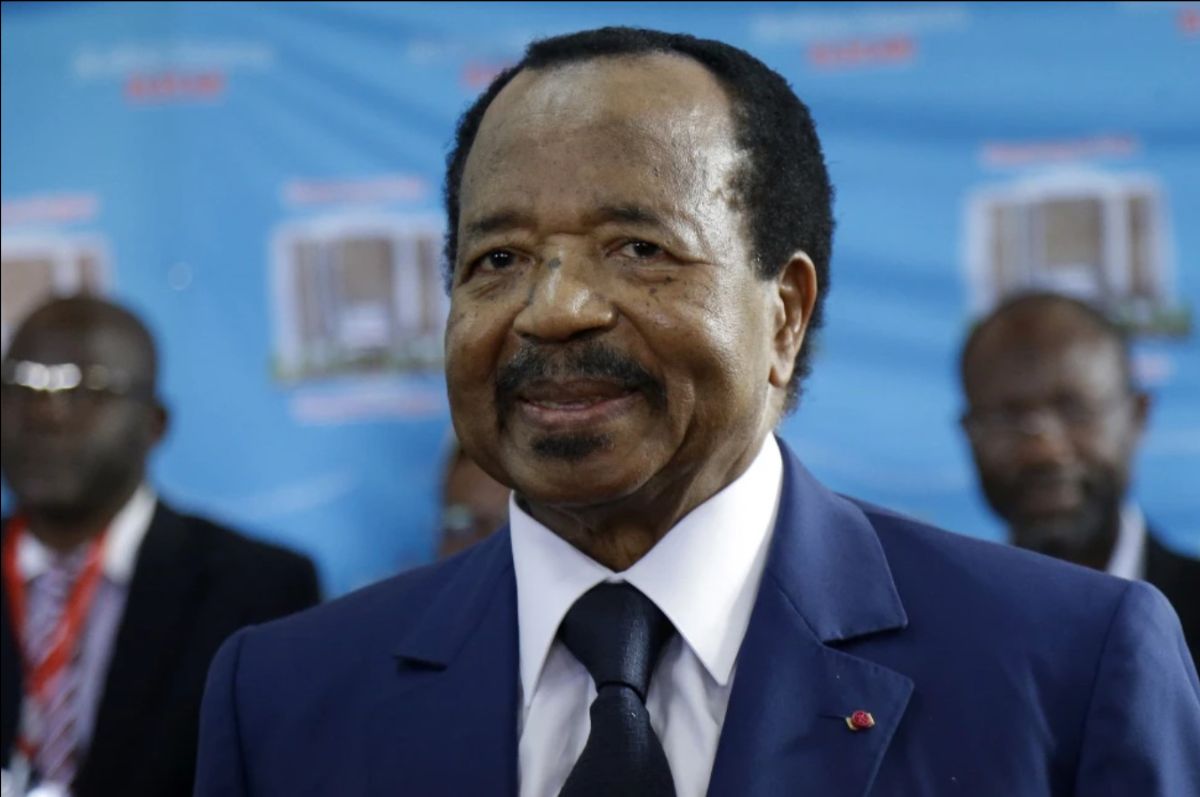
The Cameroonian government has implemented a media ban on discussions regarding the health of President Paul Biya, who has not been seen in public since early September. The 91-year-old leader’s prolonged absence has fueled widespread speculation and concern, but Interior Minister Paul Atanga Nji issued a strict directive this week, stating that debates over Biya’s health are now considered a “matter of national security.” He warned media outlets that violating this new rule would result in legal consequences.
Minister Nji’s directive also extends to monitoring online content, ordering the creation of special surveillance cells to track discussions about the president’s health on social media and digital platforms. This move comes after Biya missed several high-profile international engagements, including the United Nations General Assembly in New York, which has intensified public concern over his well-being. The last time the president appeared publicly was at the China-Africa summit in Beijing last month.
Despite mounting concerns, the government has consistently denied any serious issues related to President Biya’s health. Last week, government spokesperson Rene Sadi dismissed rumors surrounding the president’s condition, asserting that Biya remains in good health and will return to Cameroon soon. However, no official explanation has been provided for his extended absence from both national and international events.
While the government’s reassurances aim to quell public anxiety, the decision to restrict media discussions has sparked an outcry from journalists and advocates of press freedom. Several media organizations and journalists have criticized the ban as an infringement on their rights and a form of censorship, arguing that citizens have a legitimate right to be informed about the health of their leader, especially given the president’s age and length of service. President Biya, Africa’s longest-serving leader, has been in power for over four decades.
Critics of the government’s media restrictions argue that the public has a vested interest in knowing about the health of their president, especially considering the potential political and governance implications if his health deteriorates. Questions about presidential succession and the stability of the government are likely to surface in the absence of transparent communication regarding Biya’s status.
The issue of censorship and media control is not new in Cameroon, where the government has a history of clamping down on press freedoms. In the past, journalists and media outlets have faced sanctions, harassment, and even imprisonment for reporting on sensitive political issues. This latest ban only adds to concerns about the shrinking space for free expression and the role of independent media in Cameroon’s democracy.
Furthermore, the establishment of online monitoring cells to track social media content adds another layer of government surveillance that could stifle public discourse. Digital platforms, often seen as one of the few remaining spaces for open discussion, are now being closely watched, further limiting the scope of public debate.
While the government maintains that these measures are necessary to preserve national security, many Cameroonians see the move as an attempt to shield the president from scrutiny and avoid addressing legitimate concerns about leadership in the country. The decision to silence media discussions has also intensified rumors, as the lack of official information fuels speculation.
As President Biya’s absence continues, the question of leadership succession looms large. While the president’s supporters insist that he remains in control, some observers point to the increasing influence of close aides and family members in decision-making processes, raising concerns about the future of governance in Cameroon.







Leave a comment